When it comes to the field of dentistry, the fabrication of temporary crowns and bridges is a crucial procedure. This process requires precision, efficiency, and the right tools. As a supplier of dental micromotors, I often get asked whether a dental micromotor can be used for temporary crown and bridge fabrication. In this blog post, I’ll delve into this topic, exploring the capabilities of dental micromotors in this context, their benefits, and considerations. Dental Micromotor
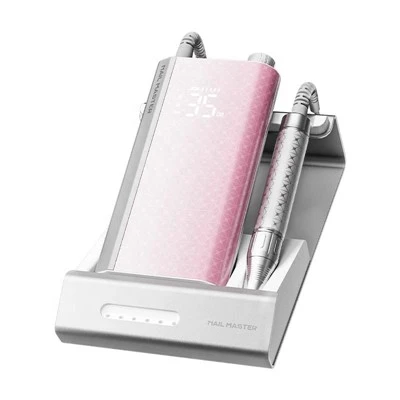
Understanding Dental Micromotors
Dental micromotors are high – speed handpieces in dental practice. They are designed to provide the power and flexibility needed for a variety of dental procedures. These devices can achieve speeds ranging from a few thousand to several hundred thousand revolutions per minute (RPM), allowing dentists and dental technicians to perform tasks with great precision. The motor is usually paired with a bur or other cutting instruments, which can be changed according to the specific requirements of the procedure.
Suitability of Dental Micromotors for Temporary Crown and Bridge Fabrication
Precision and Control
One of the primary requirements for temporary crown and bridge fabrication is precision. Dental micromotors offer excellent control over the cutting process. The ability to adjust the speed and torque of the micromotor allows the operator to make accurate cuts, shaping the temporary restoration to fit the patient’s teeth precisely. For instance, when preparing the tooth surface to receive the temporary crown, a dental micromotor can be used to create a smooth and even surface. This precision is essential for ensuring a proper fit and occlusion, which is crucial for the patient’s comfort and the long – term success of the restoration.
Cutting Efficiency
Temporary crown and bridge fabrication often involves removing a certain amount of tooth structure or shaping the temporary material. Dental micromotors, with their high – speed rotation, can cut through materials such as acrylic resin, which is commonly used for temporary crowns and bridges, quickly and efficiently. This not only saves time during the fabrication process but also reduces patient discomfort, as the procedure can be completed more rapidly.
Versatility
Dental micromotors are highly versatile tools. They can be used with a variety of burs and cutting instruments, each designed for different tasks in temporary crown and bridge fabrication. For example, a diamond bur can be used for fine finishing and polishing of the temporary restoration, while a carbide bur can be used for initial shaping and material removal. This versatility allows dental professionals to perform multiple steps of the fabrication process using a single device, streamlining the workflow.
Benefits of Using Dental Micromotors in Temporary Crown and Bridge Fabrication
Improved Patient Comfort
Since dental micromotors allow for quicker and more precise fabrication, the overall time the patient spends in the dental chair is reduced. This can lead to improved patient comfort, especially for those who may experience anxiety during dental procedures. Additionally, the smooth and precise cuts made by the micromotor can result in a better – fitting temporary restoration, which further enhances patient comfort.
Cost – Effectiveness
In the long run, using a dental micromotor for temporary crown and bridge fabrication can be cost – effective. The efficiency of the micromotor allows dental practices to increase their productivity, enabling them to see more patients. Moreover, the versatility of the device means that fewer specialized tools are needed, reducing the initial investment in equipment.
Consistency in Results
Dental micromotors provide consistent performance, which is crucial for achieving high – quality temporary crowns and bridges. The ability to control the speed and torque ensures that each restoration is fabricated to the same high standards, regardless of the operator. This consistency can lead to better patient outcomes and increased patient satisfaction.
Considerations When Using Dental Micromotors for Temporary Crown and Bridge Fabrication
Operator Skill
While dental micromotors are powerful and versatile tools, they require a certain level of skill to operate effectively. Dental professionals need to be trained in the proper use of the micromotor, including how to adjust the speed and torque, select the appropriate bur, and perform the cutting and shaping procedures safely. Improper use of the micromotor can lead to damage to the tooth structure or the temporary material, as well as potential injury to the patient.
Maintenance
Like any other dental equipment, dental micromotors require regular maintenance to ensure optimal performance. This includes cleaning, lubrication, and inspection of the motor and the handpiece. Failure to maintain the micromotor properly can result in reduced performance, increased wear and tear, and even breakdowns. Regular maintenance also helps to extend the lifespan of the device, which is important for cost – effectiveness.
Compatibility with Materials
When using a dental micromotor for temporary crown and bridge fabrication, it’s important to consider the compatibility of the cutting instruments with the materials being used. Different materials may require different types of burs and cutting speeds. For example, acrylic resin may require a different bur and cutting technique compared to composite resin. Using the wrong combination of bur and material can lead to poor cutting results, such as rough surfaces or excessive heat generation.
Conclusion

In conclusion, dental micromotors can indeed be used for temporary crown and bridge fabrication. Their precision, cutting efficiency, and versatility make them well – suited for this important dental procedure. The benefits, such as improved patient comfort, cost – effectiveness, and consistency in results, are significant. However, it’s important for dental professionals to consider the operator skill, maintenance requirements, and material compatibility when using dental micromotors.
Dental Drilling Machine As a supplier of dental micromotors, we are committed to providing high – quality products that meet the needs of dental practices. Our dental micromotors are designed with the latest technology, offering excellent performance and reliability. If you are interested in learning more about our products or have any questions regarding the use of dental micromotors in temporary crown and bridge fabrication, we encourage you to contact us. Our team of experts is ready to assist you and discuss your specific requirements. Let’s work together to improve the quality of dental care through the use of advanced dental equipment.
References
- Quinn JH, Heyer NJ. Operative Dentistry: Principles and Practice. Saunders; 2012.
- Powers JM, Sakaguchi RL. Craig’s Restorative Dental Materials. Elsevier; 2018.
Yongkang Zorin Industry Technology Co., Ltd.
Yongkang Zorin Industry Technology Co., Ltd. is one of the most professional dental micromotor manufacturers and suppliers in China, also supports customized service. Please feel free to buy bulk premium dental micromotor in stock here and get quotation from our factory. For price consultation, contact us.
Address: No. 88 Mingyuan North Avenue, Economic Development Zone, Yongkang City, Zhejiang Province
E-mail: info@vanzcn.com
WebSite: https://www.zorindrill.com/
