As a dedicated supplier of switchgear components, I’ve witnessed firsthand the unique challenges that coastal environments pose to electrical equipment. The salty air, high humidity, and frequent exposure to harsh weather conditions in coastal areas demand a higher level of corrosion resistance from switchgear components. In this blog, I’ll delve into the corrosion – resistance requirements for switchgear components in coastal regions, sharing insights based on my years of experience in the industry. Switchgear Components
Understanding the Corrosive Coastal Environment
Coastal areas are characterized by a combination of factors that accelerate the corrosion process. The most prominent of these is the presence of salt in the air. Salt particles, carried by sea breezes, can settle on the surface of switchgear components. When combined with moisture from high humidity or rainfall, these salt particles form an electrolyte solution. This electrolyte can initiate and speed up the electrochemical reactions that lead to corrosion.
High humidity is another significant factor. In coastal regions, the relative humidity often remains above 70% for extended periods. This high moisture content in the air provides the necessary medium for corrosion to occur. Even in the absence of salt, the water vapor can react with the metal surfaces of switchgear components, leading to the formation of rust and other corrosion products.
Frequent exposure to harsh weather conditions, such as strong winds, storms, and salt spray, also contributes to the degradation of switchgear components. The mechanical forces exerted by winds and the abrasive effect of salt spray can damage the protective coatings on the components, exposing the underlying metal to further corrosion.
Specific Corrosion – Resistance Requirements for Switchgear Components
Enclosures
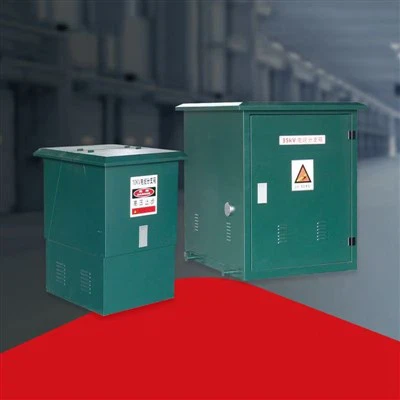
Switchgear enclosures are the first line of defense against the coastal environment. They need to provide a robust physical barrier to protect the internal components from salt, moisture, and other corrosive agents. The enclosures should be made of materials with high corrosion resistance, such as stainless steel or fiberglass – reinforced polyester (FRP).
Stainless steel is a popular choice for coastal switchgear enclosures due to its excellent resistance to corrosion. It contains chromium, which forms a passive oxide layer on the surface of the metal. This layer protects the steel from further oxidation and corrosion. However, not all stainless steels are created equal. For coastal applications, austenitic stainless steels, such as 316 and 316L, are recommended. These grades contain molybdenum, which enhances their resistance to pitting and crevice corrosion, both of which are common in salt – laden environments.
FRP enclosures are also gaining popularity in coastal areas. They are lightweight, non – conductive, and have excellent corrosion resistance. FRP enclosures can be molded into various shapes and sizes, making them suitable for different types of switchgear applications. Additionally, they are resistant to UV radiation, which is beneficial in coastal areas where sunlight exposure is intense.
Circuit Breakers
Circuit breakers are critical components of switchgear systems. They need to operate reliably in coastal environments to protect the electrical system from overloads and short circuits. The contacts and moving parts of circuit breakers are particularly vulnerable to corrosion. Corrosion can cause increased resistance at the contacts, leading to overheating and potential failure of the circuit breaker.
To ensure reliable operation, the contacts of circuit breakers should be made of materials with good electrical conductivity and corrosion resistance. Silver – plated copper contacts are commonly used in coastal switchgear applications. Silver has low electrical resistance and is highly resistant to corrosion. The copper substrate provides good mechanical strength and electrical conductivity.
The body of the circuit breaker should also be protected from corrosion. An epoxy coating or a powder – coated finish can be applied to the outer surface of the circuit breaker to prevent salt and moisture from reaching the metal parts.
Busbars
Busbars are used to distribute electrical power within the switchgear system. They carry high currents and need to maintain a low resistance path. In coastal environments, busbars are exposed to the same corrosive factors as other switchgear components. Corrosion on busbars can lead to increased resistance, which can result in power losses and overheating.
Copper and aluminum are the most commonly used materials for busbars. Copper has excellent electrical conductivity and is relatively resistant to corrosion. However, in coastal areas, copper busbars may still require a protective coating to prevent corrosion. Tin – plating is a common treatment for copper busbars in coastal applications. Tin provides a sacrificial layer that protects the copper from corrosion.
Aluminum busbars are also used due to their lightweight and lower cost. However, aluminum is more prone to corrosion than copper. Anodizing is a common surface treatment for aluminum busbars in coastal areas. Anodizing creates a hard, corrosion – resistant oxide layer on the surface of the aluminum, protecting it from the corrosive effects of salt and moisture.
Implementing Corrosion – Resistance Measures
Material Selection
As mentioned earlier, choosing the right materials is crucial for ensuring the corrosion resistance of switchgear components. In addition to the materials for enclosures, contacts, and busbars, other components such as gaskets and seals should also be carefully selected. Gaskets and seals prevent the ingress of salt and moisture into the switchgear enclosure. They should be made of materials that are resistant to aging, UV radiation, and chemical attack. Silicone rubber is a popular choice for gaskets and seals in coastal switchgear applications due to its excellent weather resistance.
Surface Treatments
Surface treatments play an important role in enhancing the corrosion resistance of switchgear components. In addition to the tin – plating, anodizing, and epoxy coating mentioned above, other surface treatments such as galvanizing and painting can also be used. Galvanizing involves applying a layer of zinc to the surface of iron or steel components. Zinc is more reactive than iron, so it acts as a sacrificial anode, protecting the underlying metal from corrosion.
Painting can also provide a protective barrier against corrosion. High – quality marine – grade paints are recommended for switchgear components in coastal areas. These paints are formulated to resist the corrosive effects of salt, moisture, and UV radiation.
Maintenance and Inspection
Regular maintenance and inspection are essential for ensuring the long – term corrosion resistance of switchgear components in coastal areas. Maintenance activities should include cleaning the components to remove salt and dirt, checking the integrity of the protective coatings, and tightening any loose connections.
Inspection intervals should be determined based on the severity of the coastal environment. In areas with high salt concentrations and extreme weather conditions, more frequent inspections may be required. Visual inspections can be used to detect signs of corrosion, such as rust, discoloration, or pitting. Non – destructive testing methods, such as ultrasonic testing and magnetic particle testing, can also be used to detect internal corrosion in metal components.
Meeting the Demands of Coastal Customers
As a switchgear components supplier, I understand the importance of meeting the specific needs of customers in coastal areas. We offer a wide range of switchgear components that are designed and manufactured to meet the high corrosion – resistance requirements of coastal environments. Our products are made from high – quality materials, and we use advanced surface treatment techniques to ensure long – term reliability.
In addition to providing high – quality products, we also offer technical support and consulting services to our customers. Our team of experts can help customers select the right switchgear components for their specific applications, and provide guidance on installation, maintenance, and inspection.
If you are looking for reliable switchgear components for your coastal project, I encourage you to get in touch with us. We would be happy to discuss your requirements and provide you with customized solutions. Whether you need enclosures, circuit breakers, busbars, or other switchgear components, we have the expertise and experience to meet your needs.
Switchgear Reach out to us today to start a conversation about how we can work together to ensure the success of your coastal electrical infrastructure project.
References
- ASM Handbook, Volume 13A: Corrosion: Fundamentals, Testing, and Protection. ASM International.
- NACE International – Corrosion Basics: An Introduction to Corrosion Control Methods.
- ASTM International Standards on Corrosion Testing and Evaluation for Metals and Metallic Coating.
Yuanzhuo Electrical Equipment (Jiangsu) Co., Ltd.
We’re well-known as one of the leading switchgear components manufacturers and suppliers in China. We warmly welcome you to wholesale high quality switchgear components at competitive price from our factory. If you have any enquiry about cooperation, please feel free to email us.
Address: Group 8, Chengdong Village, Fucheng Sub-district Office, Funing County
E-mail: markcheng1358@126.com
WebSite: https://www.yzdlchina.com/
