Hey there, fellow houseboat owner (or soon-to-be owner)! If you’re reading this, you probably get it—houseboats aren’t just homes, they’re floating adventures. But let’s be real: that exterior, with its constant exposure to sun, saltwater (or freshwater, no judgment if you’re on the Great Lakes vs. Florida’s Intracoastal), wind, and even random algae blooms, takes a beating. As a houseboat supplier who’s helped folks launch their floating lives for over a decade, I’ve seen what happens when you skip basic exterior maintenance: faded fiberglass, rotting wood, rusted rails, and a hull that’s slower than a sunken canoe. I’m here to break down exactly what works, no fancy jargon, no overcomplicated steps—just the stuff that keeps your houseboat looking sharp and running smooth. Let’s dive in. Houseboats

First off, let’s start with the big one: the hull. That’s the part of your houseboat that’s under water, right? And if you ignore it, it’ll cost you way more than a weekend scrubbing. I see so many new owners skip hull maintenance because they think “it’s under the water, who cares?” Newsflash: barnacles and marine growth don’t just “stay under there”—they add drag. That means your generator works harder, your fuel bill spikes, and your houseboat’s top speed (for those of us who like to zip around the lake on weekends) drops faster than a stone. Here’s what I recommend, and it’s based on what my service team swears by: every 6 to 12 months, do a full hull inspection and clean. If you’re in saltwater, do it every 6 months; freshwater can stretch it to 12, but don’t push that. When you clean, don’t just grab a random brush from your garage—get a soft-bristle hull brush (the stiff ones will scratch your fiberglass, trust me) and a marine-grade hull cleaner, not your regular bathroom stuff. Avoid anything with acid, that eats away at the gel coat over time. After you scrub, rinse it with fresh water (even saltwater hulls benefit, it gets rid of leftover salt) and if your hull has a bottom paint coating, give it a touch-up if you see worn spots. Oh, and one pro tip I learned last year: if you’re storing your houseboat for the off-season, either pull it out of the water or use a antifouling barrier mat. Way easier than scraping barnacles off for 8 hours come spring. I’ve had customers who skipped this and spent $1,500 on hull repairs—don’t be that guy.
Next up, the superstructure—aka the main exterior parts above water: fiberglass sides, decks, railings, and any wood trim. Let’s start with fiberglass because that’s the most common for modern houseboats. Sun is fiberglass’s worst enemy. UV rays break down the gel coat, turning it from that shiny, creamy look to a dull, chalky mess. I see so many owners wait until it’s “too far gone” to wax, and then they have to do a full compound job, which is way more work. Here’s the schedule I live by: every 3 months, do a quick wipe-down with a marine-specific fiberglass wash (again, not dish soap—dish soap strips wax!) to get rid of dirt, bird droppings, and salt spray. Then, every 6 months, give it a light wax. Use a UV-protective marine wax, not car wax—car wax doesn’t stand up to saltwater and constant moisture. If you do get that chalky patina, a mild fiberglass polish (not compound, unless it’s really bad) will bring back the shine without ruining the gel coat. Now, decks—this is where people slip up a lot. Houseboat decks take a beating from rain, sun, bare feet, and drinks spilling (we’ve all been there). If you have a fiberglass deck, same as the superstructure: wash it every 3 months, wax every 6. But if you have wood or composite decking? Way different. Wood decks need to be sealed every 2 to 3 years, depending on where you are. Freshwater areas might go longer, saltwater (with all that moisture in the air) will need it sooner. Use a marine-grade wood sealer, not a regular deck sealer—marine stuff is designed to resist rot and water intrusion. Composite decks are low-maintenance, but they still need a quick scrub every few months to get rid of mildew, especially if you’re in a humid area. Avoid pressure washing composite decks—too much pressure can warp them, and it blasts away the protective coating. Stick to a garden hose, a soft broom, and a mild composite cleaner.
Railings and metal fittings—oh, rust. Nothing kills a houseboat’s vibe faster than rust spots on your railings, ladders, or faucet handles. Saltwater is especially brutal here, even a little bit left on a metal surface will turn into rust in a week. So after every time you’re out on the water, give all metal parts a quick wipe with a microfiber cloth to get rid of salt spray. Then, every month, do a full metal inspection: look for any spots where the clear coat is chipped, that’s where rust starts. If you catch it early, a little sanding (fine-grit sandpaper, like 220 or 320) and a spray of marine-grade rust inhibitor will fix it. For railings, which are usually aluminum or stainless steel, never use steel wool—those tiny steel particles get stuck in the metal and cause rust later. I learned that the hard way when a customer’s railing rusted through because we used the wrong scrub pad. Also, for the big metal parts, like ladders, a fresh coat of clear marine spray paint every year will keep rust at bay. Skip the regular house paint—it peels off way too fast on a houseboat.
Now, windows and seals—so easy to overlook, but if your seals leak, you’re looking at water damage inside, which is a nightmare. Let’s be real, most houseboat windows are either glass or acrylic. Acrylic is cheaper, but it scratches easier, so avoid wiping them with rough cloths or paper towels (paper towels have tiny wood fibers that scratch). Use a soft microfiber cloth and a marine-grade window cleaner, no ammonia—ammonia breaks down the seals over time. For the seals themselves, every 6 months, wipe them down with a silicone-based seal conditioner, not a petroleum-based product. Petroleum eats away at rubber and plastic seals, making them crack and leak. This is such a simple step, but I’ve had customers call me panicking because their couch got water soaked in, and it was just a $10 seal conditioner job they skipped. Trust me, it’s worth the 10 minutes.
Wait, what about the small stuff that adds up? Things like vents, life lines, even the roof. The roof is often the most neglected part of the exterior. If your houseboat has a rubber EPDM roof (the most common), clean it every 6 months with a mild soap and a soft brush—no harsh chemicals. Then apply a rubber roof protectant to keep it from cracking in the sun. If you have a fiberglass roof, same as the superstructure: wax it every 6 months. Vents, especially on the roof, get clogged with leaves, bugs, and rainwater. Every 3 months, take a minute to clear out any debris from the vents—clogged vents can lead to mold inside, and they don’t work as well for ventilation. Life lines (the ropes or metal bars around the edge for safety) should be inspected every month for fraying. If you have synthetic life lines, replace them every 2 years, even if they look fine—UV rays make them weak from the inside.
Now, let’s talk about when to call in the pros. I get it, some folks are DIY pros, but not everyone wants to spend their weekends scrubbing hulls. If your hull has heavy barnacle growth, or the fiberglass has deep chalky damage, or you’re not sure how to seal a wood deck without messing it up, that’s when a professional marine service is worth it. As a houseboat supplier, I work with a team of trusted pros who do exterior maintenance for my customers—they know exactly how houseboats are built, so they don’t mess up the gel coat or seals. It’s way cheaper than fixing the damage from a DIY gone wrong.
Here’s the other thing: maintaining your exterior isn’t just about looking good—it’s about protecting your investment. A well-maintained houseboat holds its value way better than a neglected one. When my customers decide to upgrade or sell, I always tell them that the exterior condition is the first thing buyers check, and it can add thousands to the price. Plus, a nice-looking houseboat is way more fun to show off at the marina, or just to enjoy coming home to every weekend.
If you’re thinking about getting a houseboat, or you already have one and need help with maintenance, feel free to reach out to my team. We can walk you through the best schedule for your specific houseboat (saltwater vs. freshwater, fiberglass vs. wood, etc.) or connect you with the right pros in your area. No pressure, just solid advice from someone who’s been in the houseboat game for years.
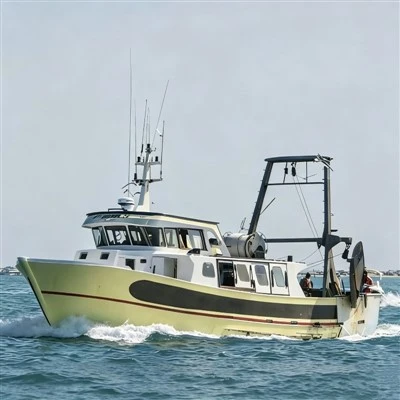
At the end of the day, exterior maintenance for a houseboat is all about consistency, not perfection. You don’t have to do a 4-hour deep clean every week—just stick to the small, regular steps: wipe down metal parts after use, clean the hull every 6 months, wax the fiberglass twice a year, and check the seals. Skip the harsh products, avoid the pressure washing mistakes, and don’t wait until small problems turn into big, expensive ones. I’ve seen too many people give up on their houseboat because they thought maintenance was too much work, but it’s really just a few simple habits. Let’s keep your floating home looking its best, so you can spend less time fixing stuff and more time enjoying the water.
Catamarans References:
- American Boat and Yacht Council (ABYC). Marine Exterior Maintenance Guidelines. 2022.
- National Marine Manufacturers Association (NMMA). Houseboat Hull and Superstructure Care. 2021.
- "How to Maintain Your Houseboat’s Exterior" by Boating Magazine, May 2023.
- U.S. Coast Guard Auxiliary. Seal and Fiberglass Maintenance for Recreational Vessels. 2022.
Longkou Jinda Shipping Co., Ltd.
As one of the most professional houseboats manufacturers and suppliers in China, our products have good reputation in the market. Please feel free to buy premium houseboats for sale here from our factory. Welcome to contact us for customized service.
Address: North of Shuangyu Village, Xingjia Sub-district, Longkou City, Yantai City, Shandong Province
E-mail: leven@jindaship.com
WebSite: https://www.jinda-ship.com/
